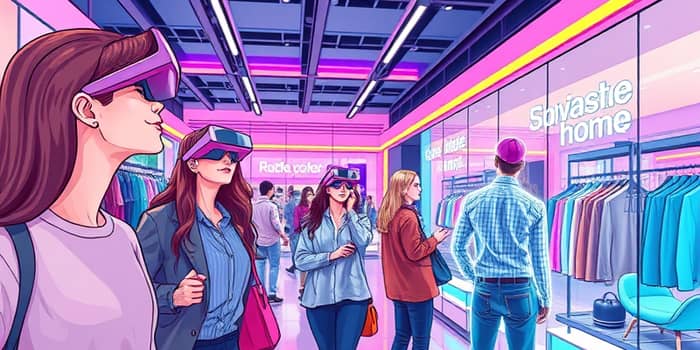
Augmented reality (AR) is transforming how consumers discover, engage with, and purchase products, creating an entirely new realm of possibilities for retailers and shoppers alike.
The global AR market is on a meteoric rise, projected to hit $11.22 billion in retail by 2025, with estimates of up to $120.29 billion across all industries. Analysts forecast a 32.4% CAGR from 2025 to 2033 in the retail segment, pushing the market past $105 billion by 2033. The AR/VR headset sector alone grew 18.1% year-over-year in early 2025, led by market leader Meta Platforms at 50.8% share, followed by XREAL at 12.1%.
This explosive growth underscores a transition from novelty to necessity as brands embed AR into core strategies rather than pilot projects.
By 2025, an estimated 35–40% of U.S. internet users—nearly 60% of the population—will be regular AR users. Today, over 90% of American shoppers either use or are open to AR for shopping. Among those who have tried it, 98% say it helped them make better purchase decisions.
Gen Z leads the charge, with 92% wanting to use AR tools in e-commerce, and 71% of all shoppers would buy more frequently if AR were available. Additionally, 61% prefer retailers offering advanced AR shopping experiences, and 40% are willing to pay a premium for products they can preview virtually. These behaviors reflect a growing demand for personalized engagement and a higher level of confidence in online purchases.
Retail brands are racing to integrate AR, with 80% expected to deploy it as part of their customer experience strategies by 2025. Sixty-six percent are planning fresh AR/VR investments within two years, signaling a shift from experimental deployments to long-term, scalable solutions.
Incorporating AR into product listings and apps dramatically boosts performance metrics. Shopify reports that items with 3D/AR content experience 94% higher conversion rates. AR users are 90% more likely to complete a purchase, and AR-enabled apps can see download increases of 70%. Return rates drop by as much as 40%, as virtual previews align customer expectations with reality.
The Asia Pacific region is expected to outpace others with a CAGR exceeding 35% from 2025 to 2033, driven by mobile AR apps and gamified shopping experiences. North America remains the pioneer in AR adoption, backed by strong investment and infrastructure.
Integration with artificial intelligence is unlocking personalized shopping journeys, recommending products based on real-time user data. Meanwhile, managed AR services are becoming essential, offering deployment, maintenance, and analytics support for retailers without in-house expertise.
To provide a clear summary, here is a quick reference table:
Augmented reality is no longer just an experimental add-on—it’s a transformative tool reshaping commerce. By offering immersive and interactive shopping experiences, AR empowers consumers with confidence and inspires retailers to innovate boldly.
As technology advances, the line between online and offline will blur, giving rise to seamless, gamified, and highly personalized journeys. For retailers and shoppers alike, embracing AR today means setting the stage for a more engaging, efficient, and rewarding tomorrow.
References