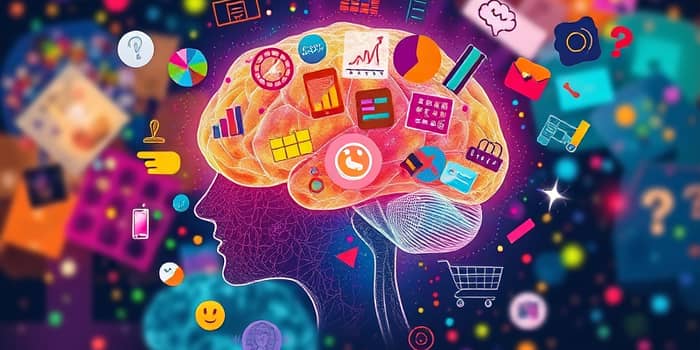
In today’s hyper-competitive market, understanding consumer behavior goes far beyond traditional surveys and focus groups. Neuromarketing bridges the gap between subjective reports and the brain’s hidden processes, offering marketers unprecedented insight into what truly drives purchasing decisions.
By harnessing cutting-edge neuroscience tools, brands can craft campaigns that resonate deeply, forging connections at an emotional level. This article explores the science, techniques, applications, and future of this transformative field.
Neuromarketing applies principles from neuroscience and psychology to marketing challenges. It examines how consumers’ brains react to stimuli like advertisements, packaging, and branding. Traditional methods rely on self-reported data, but many decisions occur subconsciously, making some consumer preferences inaccessible through surveys alone.
Key technologies include functional magnetic resonance imaging (fMRI), electroencephalography (EEG), eye-tracking devices, and skin conductance sensors. These tools reveal neural activity, attention patterns, and emotional arousal in real time, unlocking hidden drivers of choice.
Neuromarketing relies on a suite of biometric and imaging methods to capture physiological responses.
Beyond hardware, AI-driven personalization algorithms analyze behavioral and demographic data to tailor content in real time. Studies show personalization can boost conversion rates by 15% and customer satisfaction by 20%.
Understanding core psychological principles helps marketers shape experiences that align with consumers’ subconscious motives.
These tactics leverage cognitive biases and automatic responses, steering decisions without overt persuasion. By aligning messaging with emotional and social drivers, brands can significantly increase engagement and recall.
Neuromarketing’s impact spans multiple domains. In advertising, fMRI studies have optimized commercials by identifying scenes that spike emotional resonance. Eye-tracking has guided website redesigns, improving user experience and boosting conversion by up to 30%.
Consider the example of a natural detergent brand that integrated behavioral insights into its packaging design. By emphasizing environmental benefits and featuring micro-expressions of satisfaction, the company achieved a 25% sales increase within six months. Retailers employ countdown timers for online products, utilizing scarcity cues to nudge purchases during peak traffic.
In branding, major firms conduct EEG tests to determine which logos or taglines evoke greater neural engagement, ensuring campaigns resonate at a deep level. These real-world successes underscore the power of combining neuroscience with creative strategy.
Neuromarketing offers tangible advantages but also raises important questions about consumer welfare.
As the field matures, industry guidelines and academic oversight aim to balance innovation with respect for consumer autonomy. Clear consent protocols and transparent data handling are critical to maintaining trust.
The next frontier combines big data analytics, AI, and behavioral economics to deliver ever more refined insights. Real-time EEG headsets and wearable sensors will enable continuous monitoring of consumer responses in everyday environments.
Advancements in machine learning will allow dynamic content adaptation at scale, creating truly personalized brand experiences across digital and physical touchpoints. Integration with augmented reality may enable immersive test environments, where reactions are measured in simulated retail spaces.
Academic research continues to explore the reliability and ethical boundaries of neuromarketing, ensuring practical applications remain scientifically robust and socially responsible. As the discipline evolves, its potential to transform marketing strategy is immense, promising deeper consumer understanding and more meaningful connections.
Neuromarketing represents a paradigm shift, merging neuroscience, psychology, and marketing to tap into the subconscious forces that shape consumer behavior. By leveraging advanced tools and principles, brands can craft campaigns that resonate emotionally, optimize experiences, and drive measurable results.
While ethical considerations and costs present challenges, the field’s growth trajectory points toward increasingly sophisticated applications. Embracing this scientific approach empowers marketers to forge lasting consumer brand connections and navigate the complex psychology behind every purchase.
References